Please enter the password
Qualtrics Data Modeler for Expert Analysts
Empowering expert analyst users with fluid data modeling and intuitive interaction patterns
Role
UX Design Intern
Timeline
Jun. 2025 - Sep. 2025
(12 weeks)
Team
2 Product Designers
1 Design Technologist
1 Product Manager
2 UX Researchers
6 Developers
Skills
Interaction Design
Design Systems
User Research
AI Workflows
Tools
Figma
Cursor
Google Gemini
Subframe
NotebookLM
Project Overview
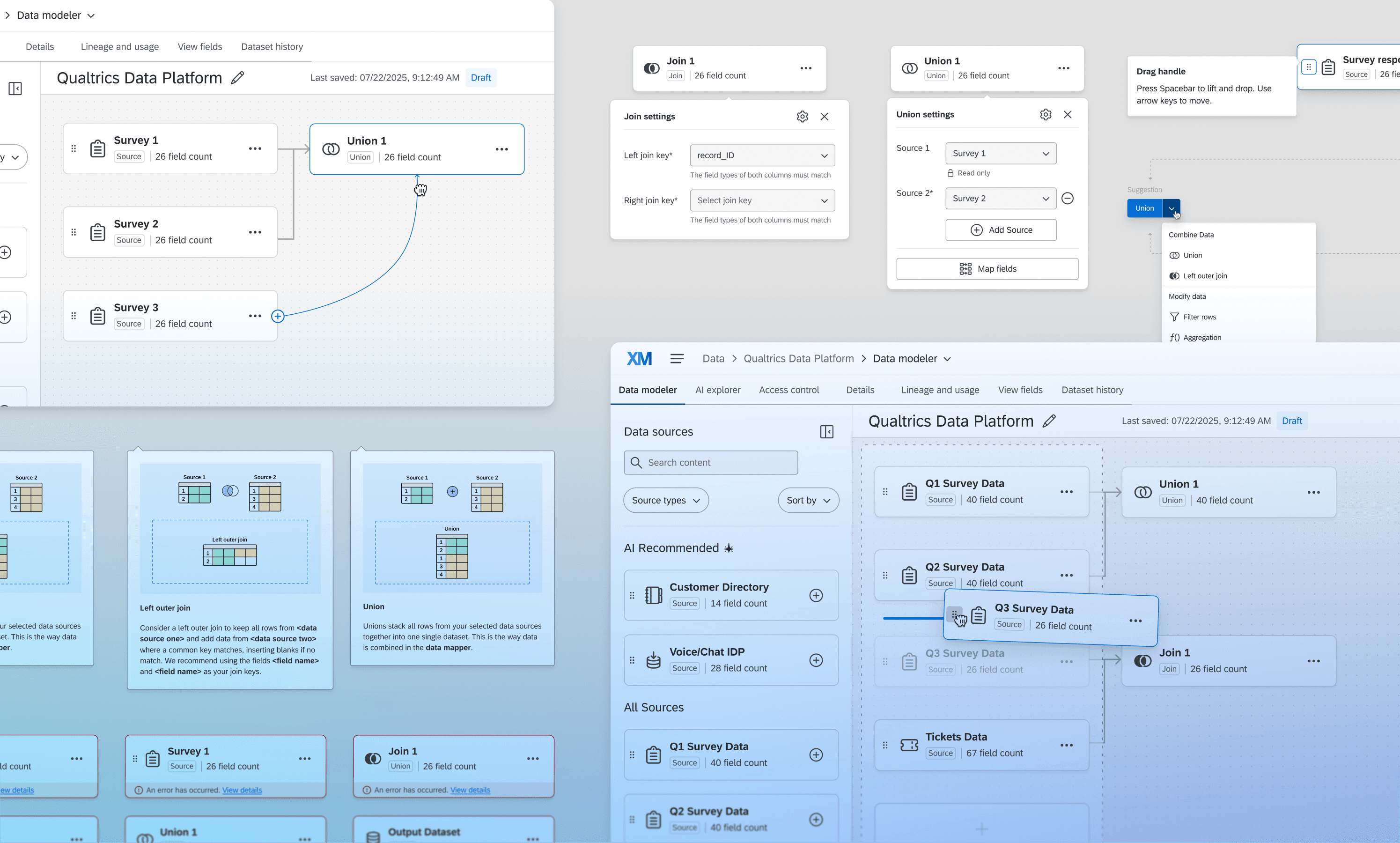
During my summer internship at Qualtrics, I worked on redesigning a complex data flow builder for our expert data analyst users. The key goal was to integrate fluid interaction patterns to create a non-destructive workflow that encouraged confident experimentation.
Throughout the project, I was also challenged to leverage AI tools into my design process, from research synthesis to concept exploration and prototyping. I recognized that a standard prototype couldn't fully simulate the tool's complexity, so I took initiative to develop a functional prototype using complex React logic, bridging the gap between high-fidelity design and technical implementation.
Contributions
While the specifics of this project are restricted under NDA, my contributions included:
Transforming a rigid, destructive workflow experience into a intuitive drag-and-drop system that directly addressed core user frustrations. This involved mapping user journeys and conducting competitive analyses.
Pioneering a design-to-code workflow by integrating AI-augmented tools like Gemini, Subframe, and Cursor to build a functional React prototype with complex code logic. By delivering a working implementation rather than a static concept, I was able to pressure-test interactions that significantly accelerated the team's overall time-to-value.
Validating the redesign through usability tests with 8 internal power-users to confirm the effectiveness of the new interaction patterns. I synthesized these insights into a roadmap of recommendations using NotebookLM, providing a documented foundation for future product iterations.
Executing a high-priority migration of our design system library into a new pilot tool while maintaining a high bar for component quality and delivery speed. By documenting these improvements and creating strategic blueprints, I helped establish a foundation for how future teams can leverage emerging technologies in their design workflows.
Reflection
Looking back on the experience
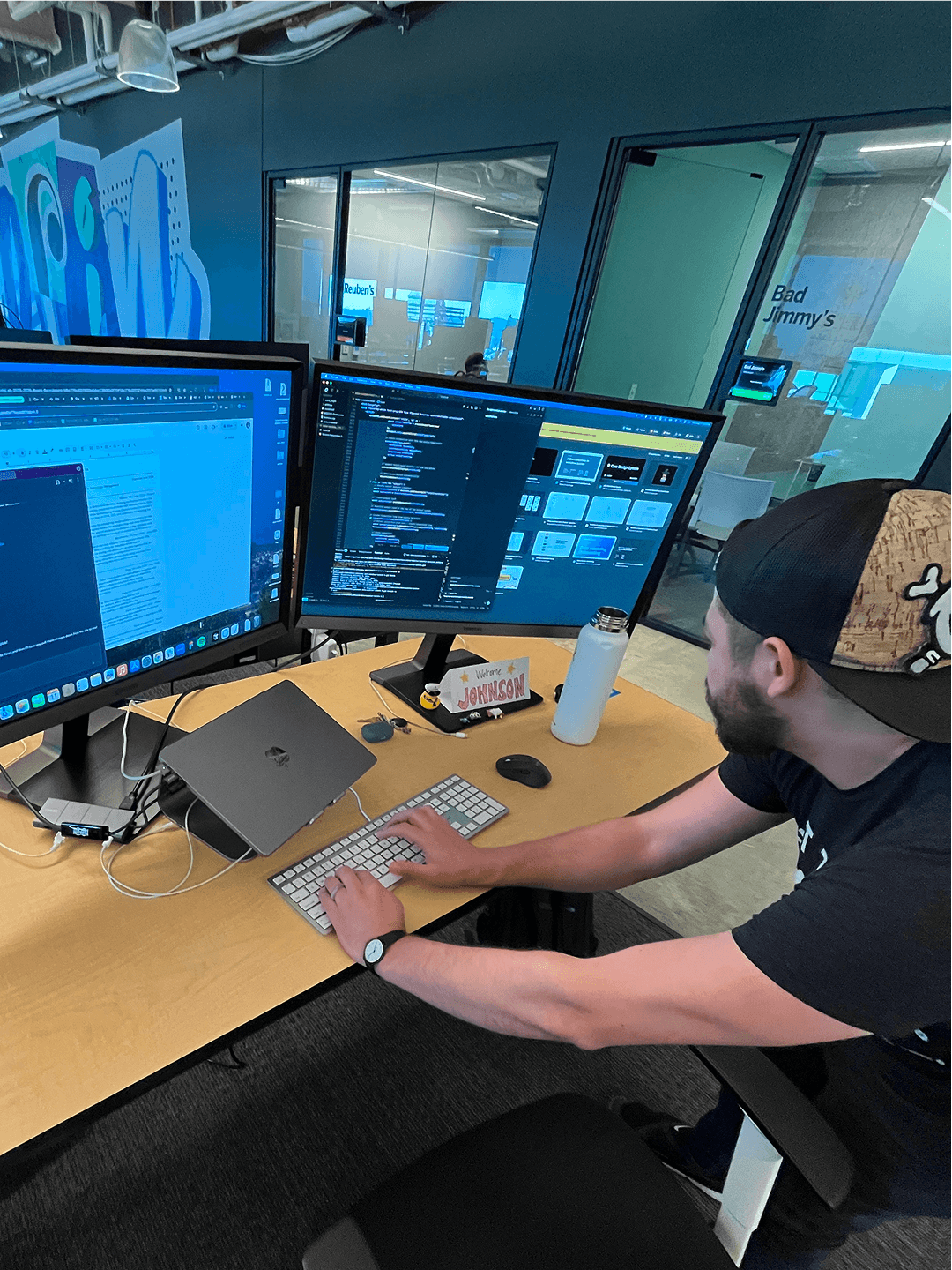
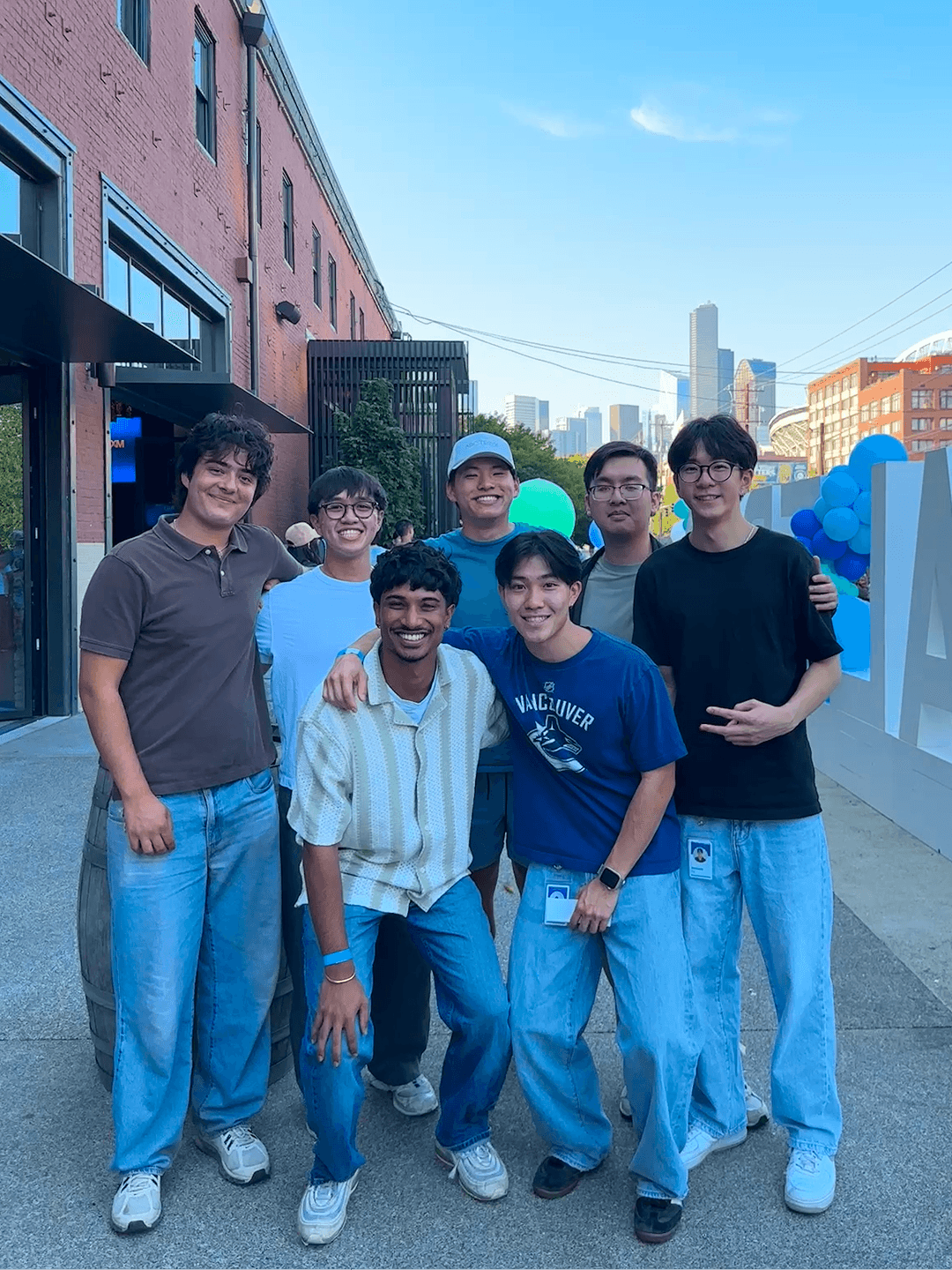
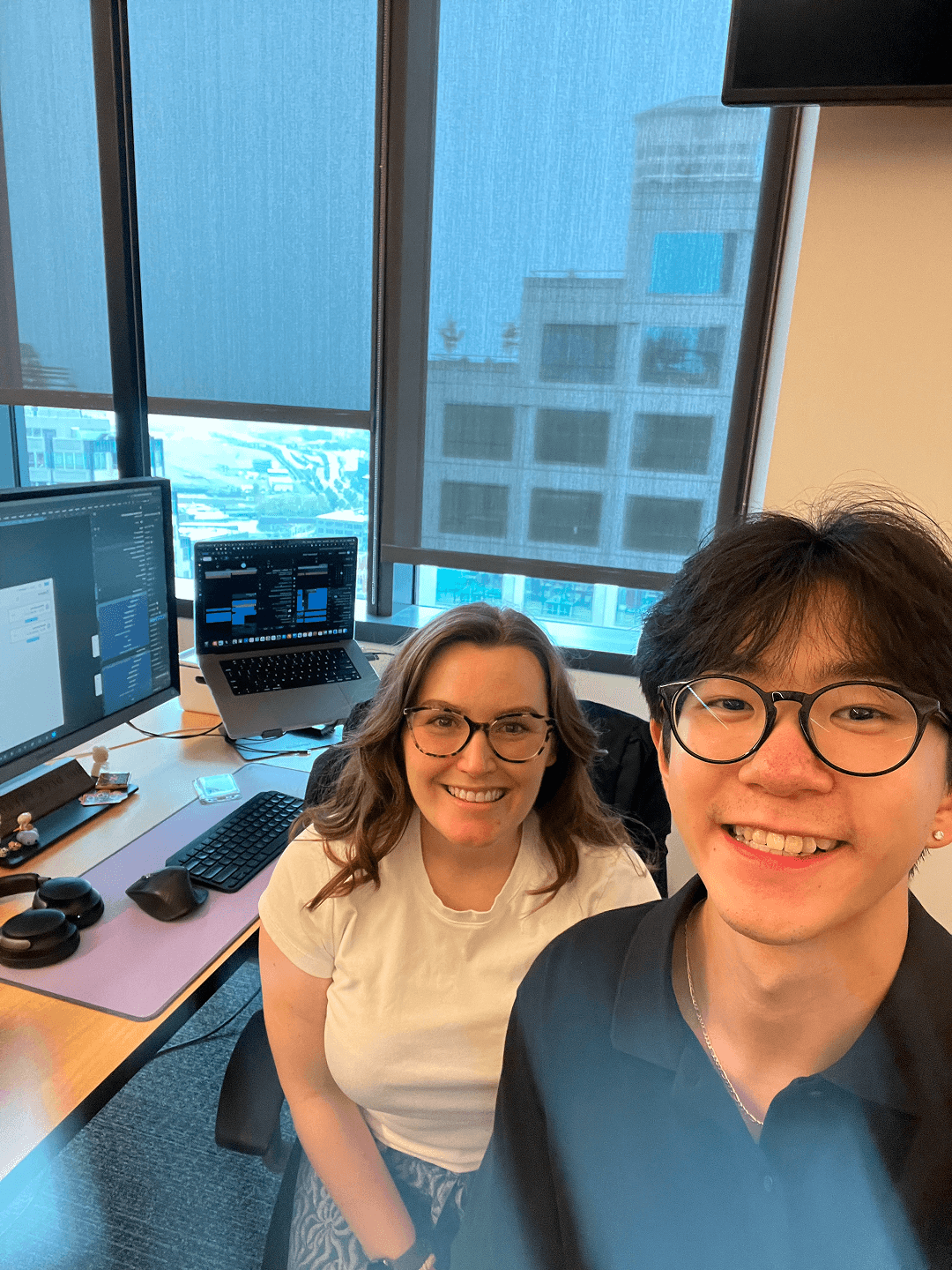
It was an incredible pleasure being welcomed to the Qualtrics team and embracing the 'scrappy' work culture during my summer internship in Seattle. From our weekly UX team critiques and spontaneous rooftop coffee chats, to the exquisite seafood lunches and table tennis breaks with my fellow interns, this experience has been truly unforgettable. Special shoutout to my mentors, Kaitlin Mortensen and Darian Rosebrook, as well as my manager, James Thomas, for all the lovely conversations and career advice!
Takeaways
Lessons and learnings
Anchor solutions in user research, while adapting to real-world constraints. My initial UXR was my north star for solving the destructive workflow problem, but I learned that collaborating with engineering on technical constraints was just as critical for scoping a feasible and impactful MVP.
Bridge the design-to-code gap with high-fidelity, interactive prototypes. Building a functional prototype allowed for much richer user testing and served as a living spec that accelerated the handoff to development.
Enhance the future of UX by strategically leveraging AI-augmented design. By using AI as an assistant to speed up my workflow, this project became a company-wide example of a new, more efficient standard for how designers can operate. It's value is entirely dependent on the designer’s ability to provide clear, intentional direction.